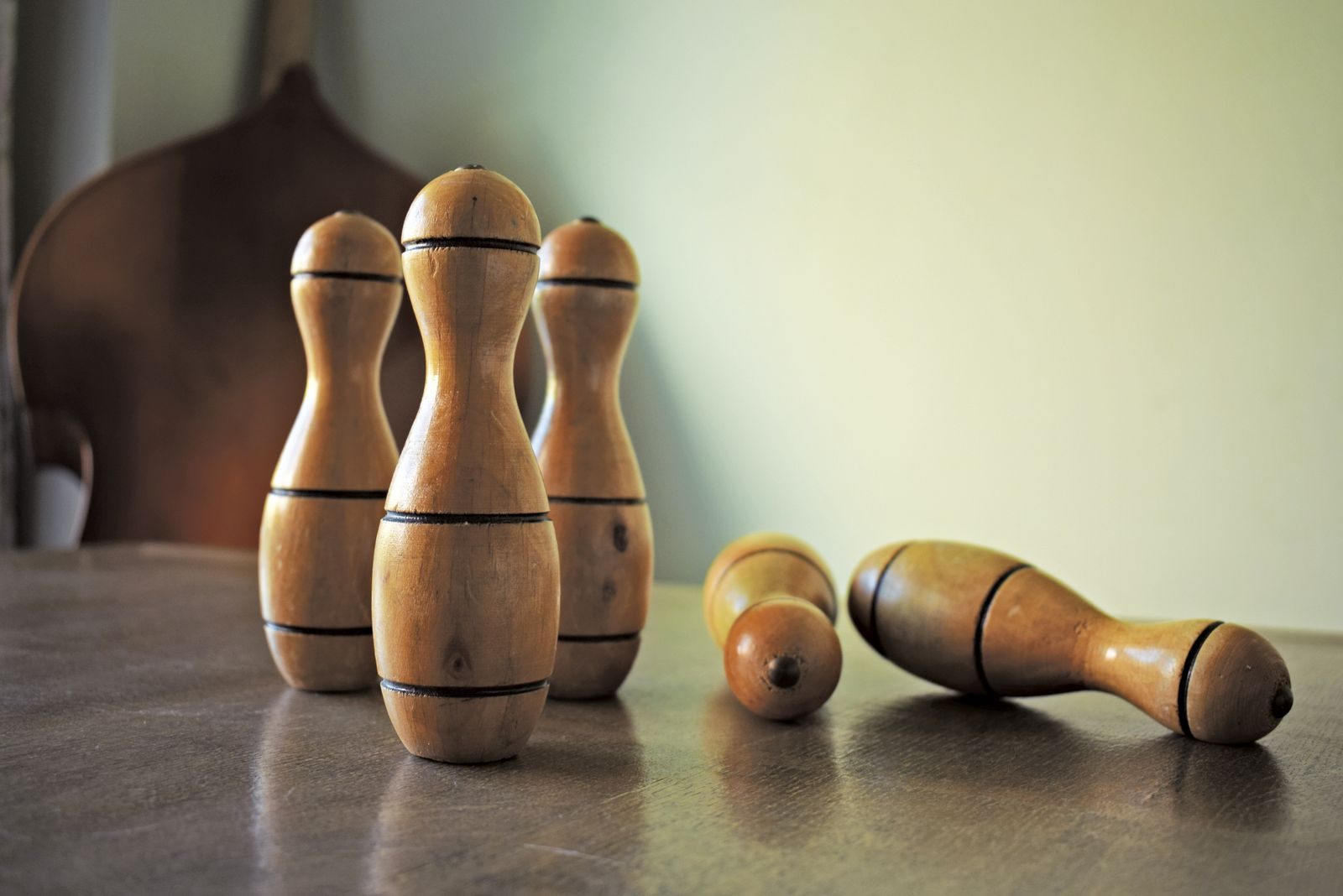
Duckpin and Candlepin Bowling
Small balls, three tries per frame, and a long East Coast tradition.
Tenpin BasicsTenpin is the bowling most Americans know, but in parts of the East Coast, small-ball bowling has deep roots. Duckpins and candlepins use smaller balls you hold in your palm, and both give you three balls per frame. Here is how they differ.
Duckpin Bowling
- Pins: short and squat, set in the same ten-pin triangle as tenpins.
- Ball: small enough to hold in one hand, with no finger holes.
- Frames: up to three balls per frame instead of two.
- Where: mainly in mid-Atlantic and New England states. The National Duckpin Bowling Congress oversees the sport in the United States.
Scoring follows the same strike-and-spare logic as tenpins, with a third ball available when the first two don’t clear the deck. Because the pins scatter less, strikes are rare and good scores are much lower than in tenpins.
Candlepin Bowling
Candlepins are tall, thin pins, and the ball is small and has no finger holes. The International Candlepin Bowling Association sets the rules. Bowlers get three balls per frame (called a “box”), and the big difference from tenpins is deadwood: pins that fall stay on the lane during your turn and can be used to knock down other pins, unless they come to rest in front of a line on the lane, in which case they are removed. Clever use of deadwood is part of the skill.
| Tenpin | Duckpin | Candlepin | |
|---|---|---|---|
| Ball | Larger, with finger holes | Small, no holes | Small, no holes |
| Balls per frame | Two (three possible in the 10th) | Three | Three |
| Pins | Standard tenpins | Short, squat | Tall, thin |
| Fallen pins | Cleared between balls | Follow local league rules | Mostly stay on the lane during the turn |
| Governing body | USBC | NDBC | ICBA |
Trying Small-Ball Bowling
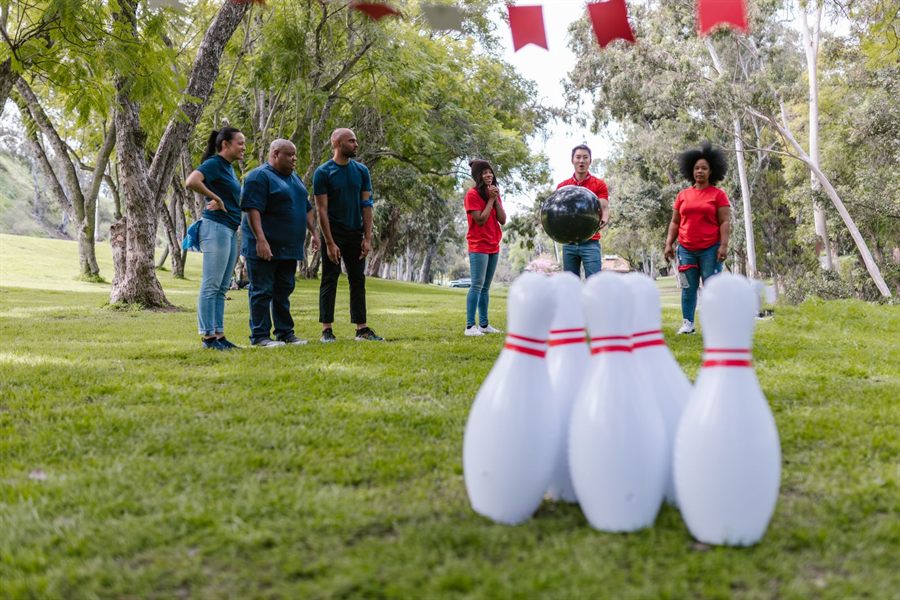
Small-ball centers are fewer than tenpin centers, so call ahead or check a center’s website for open-play hours and league nights. Some newer entertainment venues also install shorter duckpin-style lanes alongside restaurants and games; the feel can differ from a traditional house, but the basics are the same.
If you live in or visit a region with duckpin or candlepin centers, give it a try: no special equipment is needed, the ball is light enough for young kids, and the slower pace is social. The techniques overlap with tenpins — a smooth approach, a low release and a steady target — so our how to bowl basics still apply.
Duckpin and Candlepin Questions
Is duckpin bowling harder than tenpin?
Scores are generally much lower in duckpins, because the small ball and squat pins make strikes rare. Many bowlers find it a fun change of pace.
Where is candlepin bowling played?
Candlepin is concentrated mainly in New England and the Canadian Maritime provinces.
Can I use my tenpin ball for duckpins?
No. Duckpin and candlepin balls are much smaller and have no finger holes; centers provide them.
Read the Official Tenpin Rules
The USBC publishes the playing rules for tenpin bowling, including scoring, fouls and equipment.
Visit USBC Rules